

.svg?branch=production&width=1200&quality=85&auto=webp)


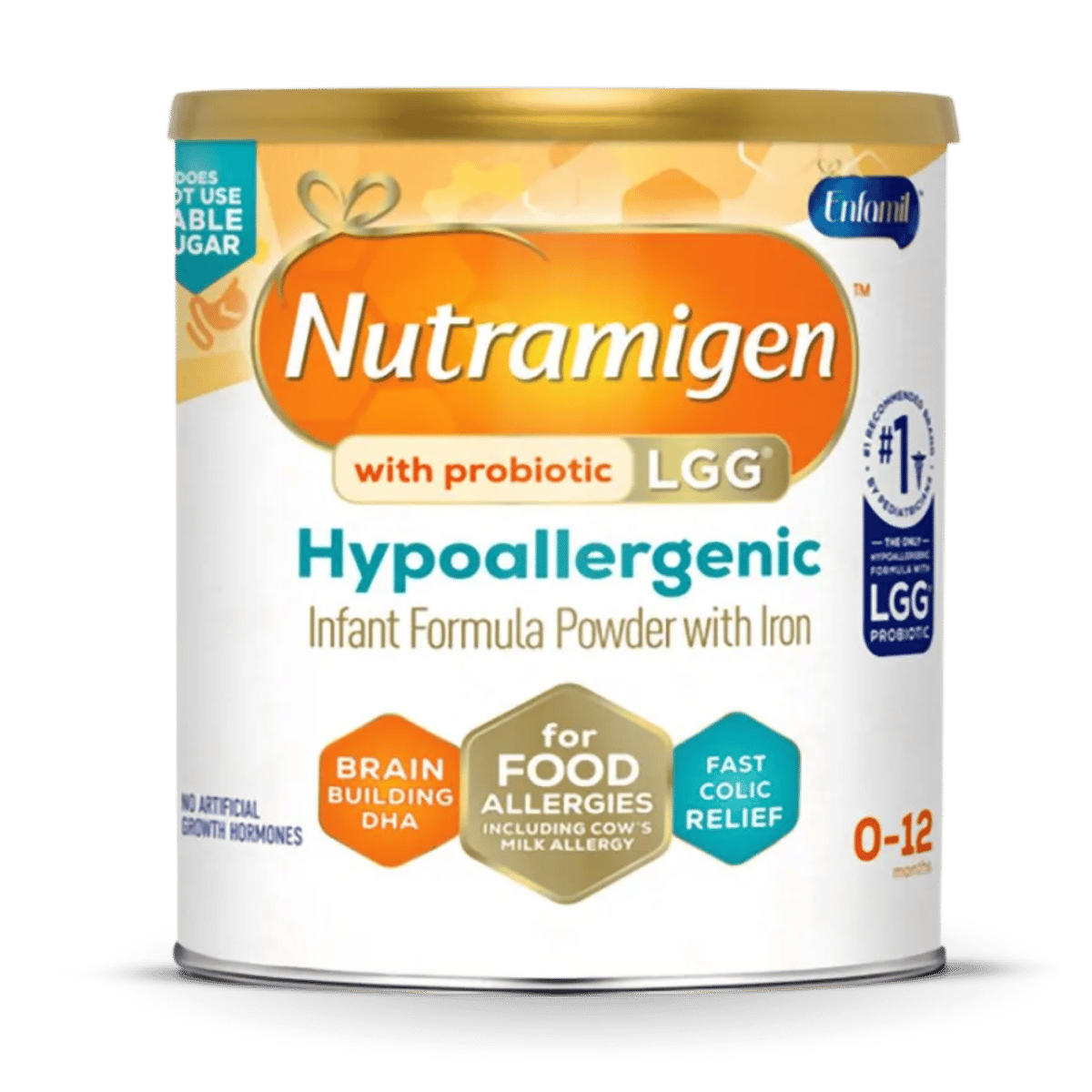
Nutramigen® with Probiotic LGG®
Hypoallergenic formula with extensively hydrolyzed protein and the probiotic LGG for infants with food allergies including cow’s milk allergy
Nutramigen® with Probiotic LGG® is a 20 cal/fl oz, iron-fortified, lactose-free, hypoallergenic infant formula designed for infants who have food allergies including cow’s milk allergy. Nutramigen® with Probiotic LGG® has extensively hydrolyzed casein protein to help avoid an immune system response by reducing the allergen exposure, and the probiotic branded LGG® to help support the strength of the intestinal barrier and support gut health.
Nutramigen® with Probiotic LGG® provides fast relief today*†‡ and lasting relief through early childhood§
- Significant improvement in GI and skin symptoms by the next physician visit, when fed Nutramigen® with Probiotic LGG®1|| (see study below)
- Fast colic relief—Starts to reduce excessive crying* in less than 24 hours.1 (see study below)
- Reduced eczema severity from moderate to mild in just 4 weeks3,4† (see study below)
- No blood in stools at 4 weeks5† (see study below)
- ~50% less risk of asthma, eczema, and rhinitis through early childhood6§ (see study below)
Additional product features:
- Helps reduce the likelihood of other allergic manifestations at 3 years of age6§
- Helps infants return to cow’s milk faster7‡ (see study below)
- Has the probiotic LGG to help support the strength of the intestinal barrier and support gut health and immune health8
- Hypoallergenic protein source (extensively hydrolyzed casein)
- Expert-recommended DHA at 0.32% of total fatty acids, the same amount as the worldwide breastmilk average¶
- Has no sucrose as a carbohydrate source
- Lactose-free
- No artificial growth hormones#
*Reduced crying in ~90% of infants within 48 hours when managing colic due to cow’s milk allergy. Studied before the addition of DHA, ARA, or LGG.
†Reduced eczema (SCORAD index) and blood in stools within 1 month compared to Nutramigen® without LGG®.
‡Helps more babies overcome cow’s milk allergy and return to consuming regular milk proteins in as fast as 6 months of feeding compared to Nutramigen® without LGG®.
§Published study showing fewer incidences of asthma, rhinoconjunctivitis, urticaria, and eczema at 6 years compared to hydrolyzed rice, soy, extensively hydrolyzed whey, and amino acids.
||Symptoms were reported by HCPs evaluating infants with suspected or diagnosed CMA by the follow-up visit (in 3-6 weeks).
¶The World Health Organization recommended amount of DHA is 0.2%-0.36% of total fatty acids. Average DHA in worldwide breast milk is 0.32% ±0.22% (mean ± standard deviation of total fatty acids) based on an analysis of 65 studies of 2474 women.
#No significant difference has been shown between milk derived from rbST-treated and non-rbST-treated cows.
LGG is a registered trademark of Chr. Hansen A/S.
Significant improvement in GI and skin symptoms by the next physician visit when fed Nutramigen® with Probiotic LGG®1
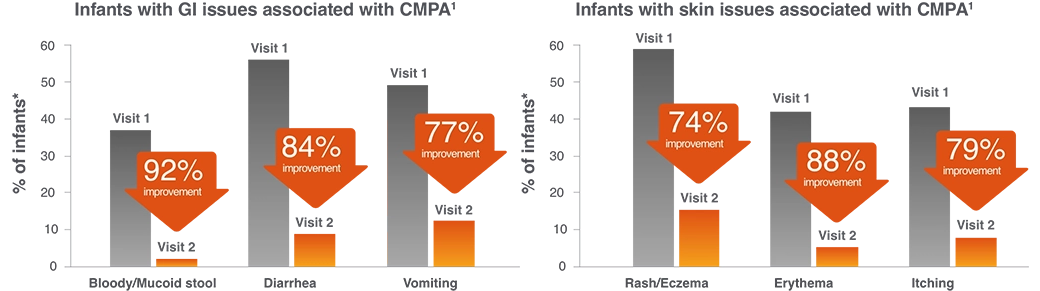
STUDY DESIGN (Wilsey et al. 2023): Prospective cohort analysis of de-identified patient data collected by HCPs who analyzed the clinical profile of infants displaying symptoms consistent with CMPA or diagnosed CMPA. Inclusion criteria included patients less than 6 months of age prescribed extensively hydrolyzed formula LGG* at the enrollment visit (Visit 1) whose HCPs provided symptom data at Visit 1 and the next visit (Visit 2) at 3 to 6 weeks (n = 202).
The percent improvement is calculated by determining the percent difference in the incidence of total presented symptoms (at different severity levels: low, moderate, and severe) between Visit 1 and Visit 2.
CMPA = cow's milk protein allergy
*Number of patients who presented with the reported symptoms at the first visit and were assessed at the second visit.
Significant improvement in excessive crying observed at 48 hours when fed Nutramigen® with Probiotic LGG®2
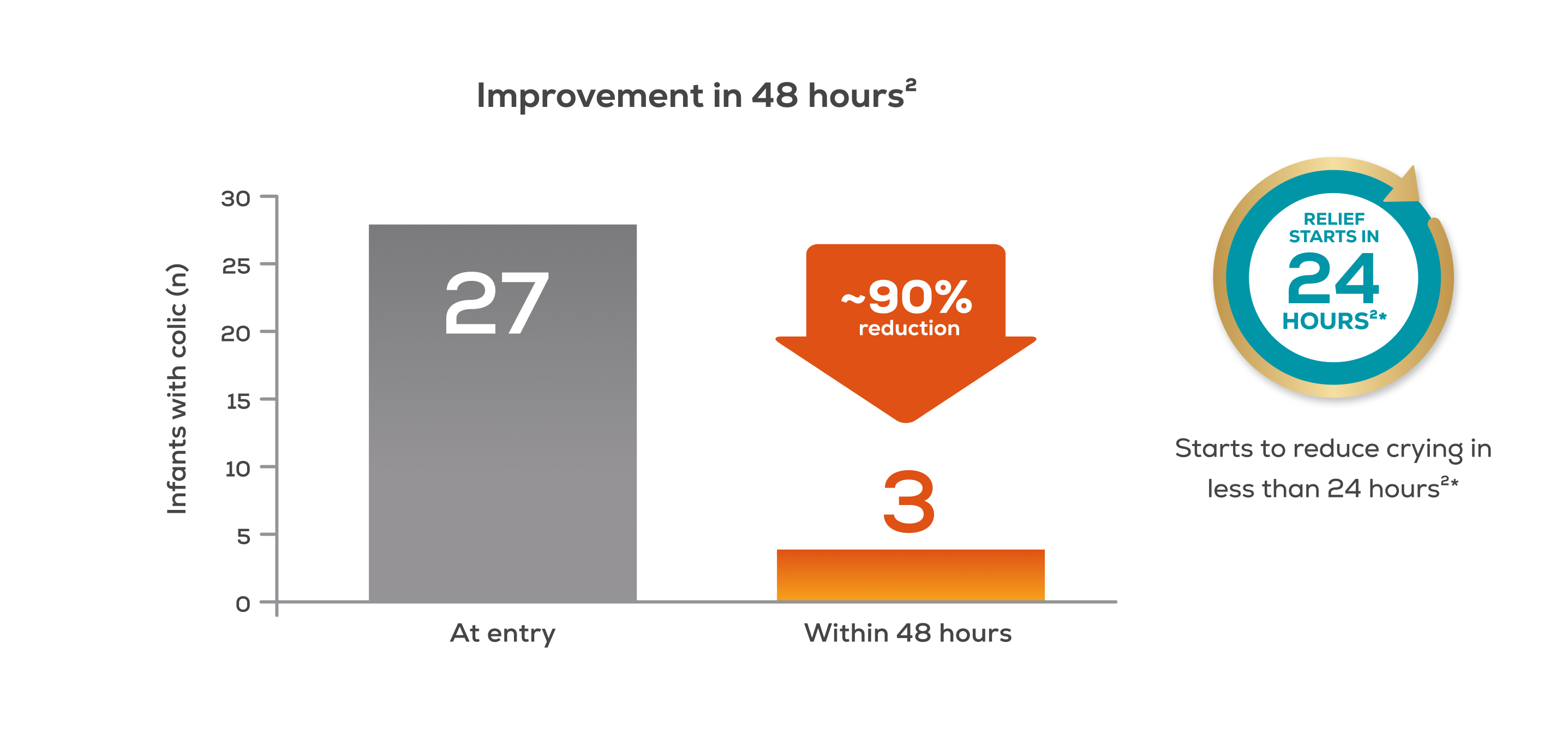
STUDY DESIGN (Lothe L et al. 1989): Prospective, double-blind crossover study of 27 infants with colic fed Nutramigen® without LGG® for 2 weeks.
*Starts to decrease excessive crying due to cow’s milk protein allergy within 24 hours. Studied before the addition of DHA, ARA, or LGG®.
LGG is a registered trademark of Chr. Hansen A/S.
Nutramigen® with Probiotic LGG® reduced eczema severity from moderate eczema to mild eczema in just 4 weeks3,4*
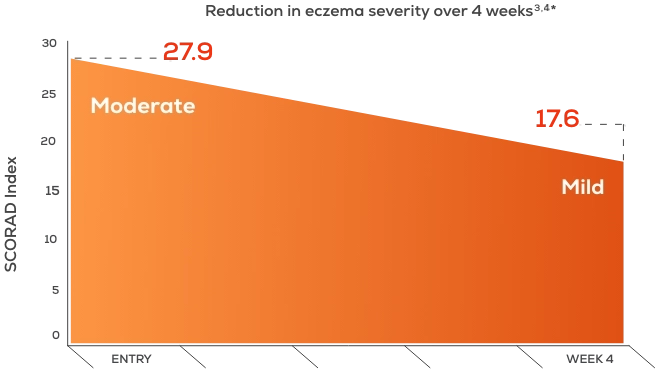
STUDY DESIGN (Nermes M et al. 2011): Prospective, randomized, double-blind, placebo-controlled study of 39 infants with atopic dermatitis fed either Nutramigen® with LGG® or Nutramigen® without LGG® for 3 months.
SCORAD = scoring atopic dermatitis
*Reduced eczema (SCORAD index) within 1 month compared to Nutramigen® without LGG®.
LGG is a registered trademark of Chr. Hansen A/S.
Infants fed Nutramigen® with Probiotic LGG® had no blood in their stools at 4 weeks5
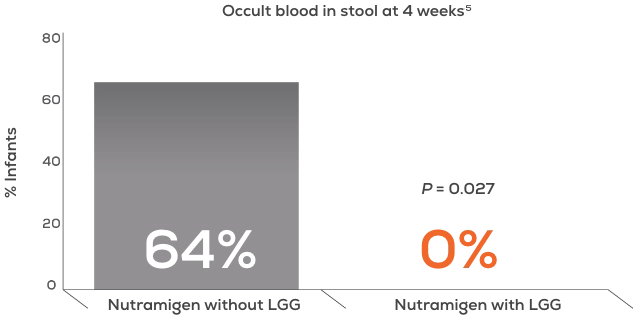
STUDY DESIGN (Baldassarre ME et al. 2011): Prospective, randomized, double-blind, placebo-controlled study of 26 infants with hematochezia fed either Nutramigen® with LGG® or Nutramigen® without LGG® over 4 weeks.
LGG is a registered trademark of Chr. Hansen A/S.
Infants fed Nutramigen® with Probiotic LGG® outgrew CMPA faster7
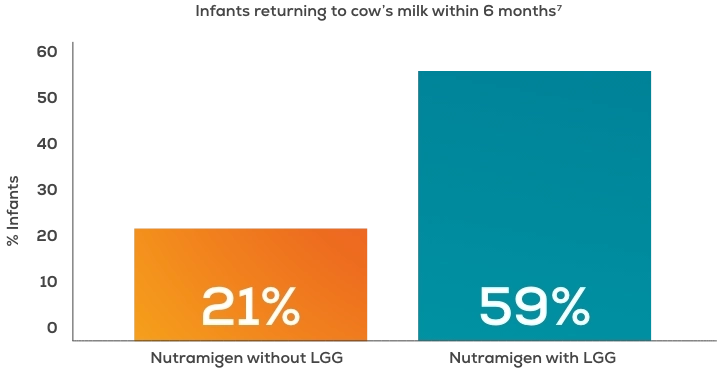
STUDY DESIGN (Berni Canani R et al. 2012): Randomized trial of 55 patients fed either Nutramigen® with LGG® or Nutramigen® without LGG®. Oral food challenge was performed to explore tolerance acquisition after 6 months.
LGG is a registered trademark of Chr. Hansen A/S.
Only Nutramigen® with Probiotic LGG® is shown to significantly reduce future allergic manifestations6*†
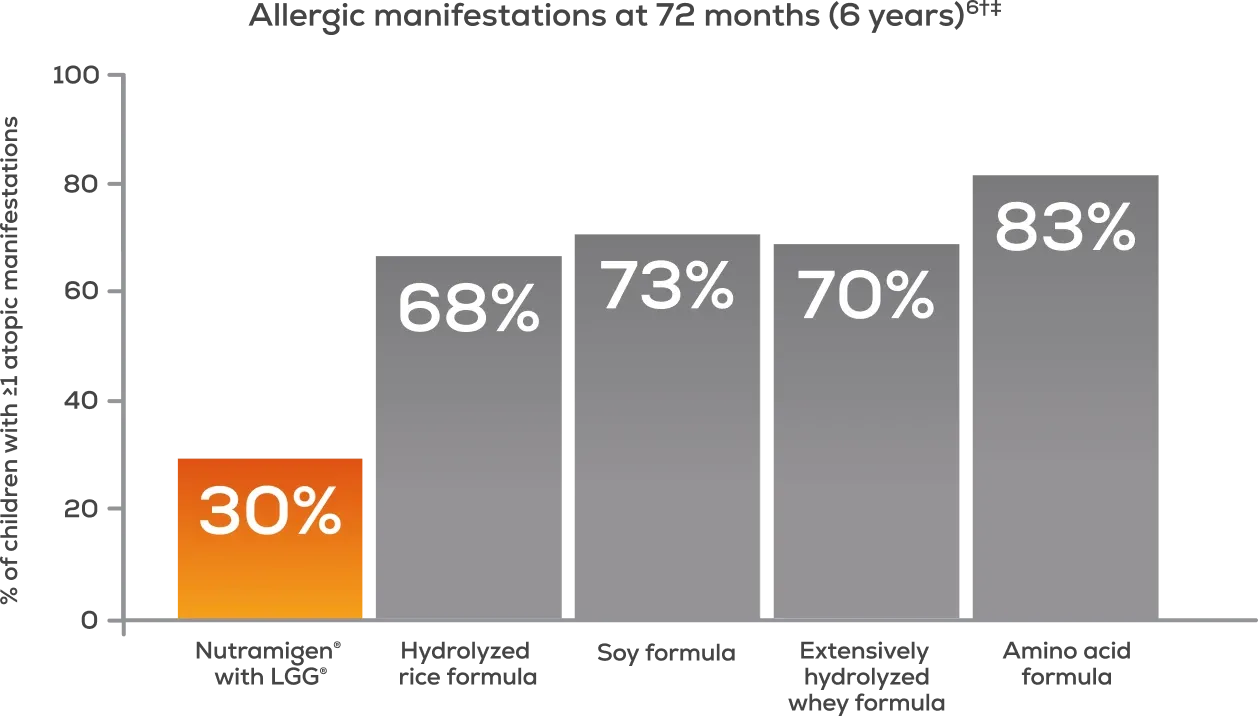
STUDY DESIGN (Nocerino et al. 2025): This study expanded on a previous prospective cohort study conducted by the same research team (Nocerino et al. 2021) on non-breastfed infants with suspected IgE-mediated CMPA by extending the total period of observation to 72 months. Of the 365 children in the initial 36-month study, 313 were available in the 72-month follow-up. The main outcome was the impact of each formula on the cumulative incidence of allergic manifestations over the 72-month observation period. The incidence was significantly lower with Nutramigen® with LGG® vs each of the other formulas (P < 0.001 for all comparisons). The other formulas included (1) hydrolyzed rice formula, (2) soy formula, (3) amino acid formula, and (4) extensively hydrolyzed whey formula.
CMPA = cow’s milk protein allergy; IgE = immunoglobulin E
*Allergic manifestations included urticaria, eczema, asthma, and rhinoconjunctivitis.
†Hydrolyzed rice formula (HRF) vs Nutramigen® with LGG®, P < 0.001; soy formula vs Nutramigen® with LGG®, P < 0.001; extensively hydrolyzed whey formula (EHWF) vs Nutramigen® with LGG®, P < 0.001; amino acid formula (AAF) vs Nutramigen® with LGG®, P < 0.001. P < 0.0123 for overall statistical analysis including Nutramigen® with LGG®, HRF, soy formula, EHWF, and AAF.
In cases of continued food allergies or intolerances, Nutramigen® with Probiotic LGG® is sometimes used as a milk substitute in the diet of children beyond 12 months of age. When Nutramigen® is used as a milk substitute beyond 12 months of age, the total calcium content of the diet should be assessed.
Extended use of Nutramigen® with Probiotic LGG® (or other infant formulas) as a sole source of diet is most appropriately monitored by physicians and nutritionists on a case-by-case basis.
Ingredients: Corn syrup solids (47%), vegetable oil (contains one or more of the following: palm olein oil, coconut oil, soy oil, high oleic sunflower oil) (26%), casein hydrolysate (milk) (17%)*, modified corn starch (4%) and less than 2%: Mortierella alpina oil†, Schizochytrium sp. Oil‡, Lactobacillus rhamnosus§, calcium citrate, calcium phosphate, potassium chloride, potassium citrate, sodium citrate, calcium hydroxide, magnesium oxide, ferrous sulfate, zinc sulfate, cupric sulfate, manganese sulfate, sodium iodide, sodium selenite, choline chloride, ascorbic acid, niacinamide, calcium pantothenate, vitamin D3, thiamin hydrochloride, riboflavin, vitamin B6 hydrochloride, folic acid, vitamin K1, biotin, vitamin B12, inositol, vitamin A palmitate, vitamin E acetate, L-cystine, L- tyrosine, L-tryptophan, taurine, L-carnitine.
*Modified to be better tolerated in milk-allergic babies.
†A source of arachidonic acid (ARA).
‡A source of docosahexaenoic acid (DHA).
§Branded as LGG, a registered trademark of Chr. Hansen A/S.
LGG is a registered trademark of Chr. Hansen A/S.
Allergen Information
Nutramigen® with Probiotic LGG® contains milk. Nutramigen® with Probiotic LGG® is hypoallergenic. Allergic reactions to extensively hydrolyzed casein formulas are not commonly reported.
Ingredient Transparency
Explore the function behind our ingredients.
| (Normal Dilution) | Per 100 Calories (5 fl oz) | Per 100 mL | Per 100 grams Powder (500 Cal) |
|---|---|---|---|
| Protein, g | 2.8 | 1.89 | 14 |
| Fat, g | 5.3 | 3.6 | 27 |
| Carbohydrate, g | 10.3 | 7 | 52 |
| Water, g | 131 | 89 | 2.3 |
| Linoleic acid, mg | 780 | 530 | 3900 |
| Vitamins/Other Nutrients | |||
| Vitamin A, IU | 300 | 200 | 1500 |
| Vitamin D, IU | 60 | 41 | 300 |
| Vitamin E, IU | 2 | 1.35 | 10 |
| Vitamin K, mcg | 9 | 6.1 | 45 |
| Thiamin (Vitamin B1), mcg | 80 | 54 | 400 |
| Riboflavin (Vitamin B2), mcg | 90 | 61 | 450 |
| Vitamin B6, mcg | 60 | 41 | 300 |
| Vitamin B12, mcg | 0.3 | 0.2 | 1.5 |
| Niacin, mcg | 1000 | 680 | 5000 |
| Folic acid (Folacin), mcg | 16 | 10.8 | 80 |
| Pantothenic acid, mcg | 500 | 340 | 2500 |
| Biotin, mcg | 3 | 2 | 15 |
| Vitamin C (Ascorbic acid), mg | 12 | 8.1 | 60 |
| Choline, mg | 24 | 16.2 | 120 |
| Inositol, mg | 24 | 16.2 | 120 |
| Minerals | |||
| Calcium, mg | 94 | 64 | 470 |
| Phosphorus, mg | 52 | 35 | 260 |
| Magnesium, mg | 8 | 5.4 | 40 |
| Iron, mg | 1.8 | 1.22 | 9 |
| Zinc, mg | 1 | 0.68 | 5 |
| Manganese, mcg | 25 | 16.9 | 125 |
| Copper, mcg | 75 | 51 | 380 |
| Iodine, mcg | 15 | 10.1 | 75 |
| Selenium, mcg | 2.8 | 1.89 | 14 |
| Sodium, mg | 47 | 32 | 240 |
| Potassium, mg | 110 | 74 | 550 |
| Chloride, mg | 86 | 58 | 430 |
| Nutrient Density | 20 Calories/fl oz |
|---|---|
| Protein (% Calories) | 11 |
| Fat (% Calories) | 48 |
| Carbohydrate (% Calories) | 41 |
| Potential Renal Solute Load (mOsm/100 Calories)1 | 25 |
| Potential Renal Solute Load (mOsm/100 mL)1 | 16.9 |
| Osmolality (mOsm/kg water) | 300 |
| Osmolarity (mOsm/L) | 270 |
| Lactose-free | Yes |
AMINO ACID COMPOSITION
Essential and Nonessential Amino Acids
DILUTION INFORMATION FOR NUTRAMIGEN® WITH PROBIOTIC LGG®
Mixing instructions by the scoop
Download dilution information ↗ (opens in a new tab)
Mixing instructions by the quart
Download dilution information ↗ (opens in a new tab)
Mixing instructions for various concentrations and volume yields
Download dilution information ↗ (opens in a new tab)
POWDER
A baby’s health depends on carefully following the instructions below. Use only as directed by a medical professional. Proper hygiene, preparation, dilution, use and storage are important when preparing infant formula. Powdered infant formulas are not sterile and should NOT be fed to premature infants or infants who might have immune problems unless directed and supervised by a doctor.
Discuss with parents which formula is appropriate for the baby.
Discuss with parents whether they need to use cooled, boiled water for mixing and whether they need to boil clean utensils, bottles and nipples in water before use.
WARNING: Do not use a microwave oven to warm formula. Serious burns may result.
Refer to the product label for the most accurate information.
Failure to follow these instructions could result in severe harm. Once prepared, infant formula can spoil quickly. Either feed immediately or cover and store in refrigerator at 35–40°F (2–4°C) for no longer than 24 hours. Do not use prepared formula if it is unrefrigerated for more than a total of 2 hours. Do not freeze prepared formula. After feeding begins, use formula within 1 hour or discard.
Wash hands thoroughly with soap and water before preparing formula.Pour the desired amount of water into the bottle. Add powder.Cap bottle and SHAKE WELL.
Use the chart below for correct amounts of water and powder. Use scoop in can to measure powder. Store DRY scoop in its original can.
| To Make* | Water | Powder | Weight |
|---|---|---|---|
| 2 fl oz bottle | 2 fl oz | 1 PACKED level scoop | 9 g |
| 4 fl oz bottle | 4 fl oz | 2 PACKED level scoops | 18 g |
| 8 fl oz bottle | 8 fl oz | 4 PACKED level scoops | 36 g |
POWDER STORAGE
Store cans at room temperature. After opening can, keep tightly covered, store in dry area and use contents within 1 month. Do not freeze powder and avoid excessive heat. This product does not look or taste like milk or soy formulas. It may separate in the refrigerator. Shake well before feeding.
NUTRAMIGEN® WITH PROBIOTIC LGG® IS AVAILABLE IN POWDER
Coding systems and reimbursement allowable rates vary by payer:
- Medicare Part B uses HCPCS (Healthcare Common Procedure Coding System) to group products
- Medicaid systems vary by state; some use HCPCS while others use NDC format code or systems of their own—contact your state provider for more information
- Private health insurance and managed care companies may use HCPCS, NDC format code or their own system—contact your provider for more information
*LGG is a registered trademark of Chr. Hansen A/S.
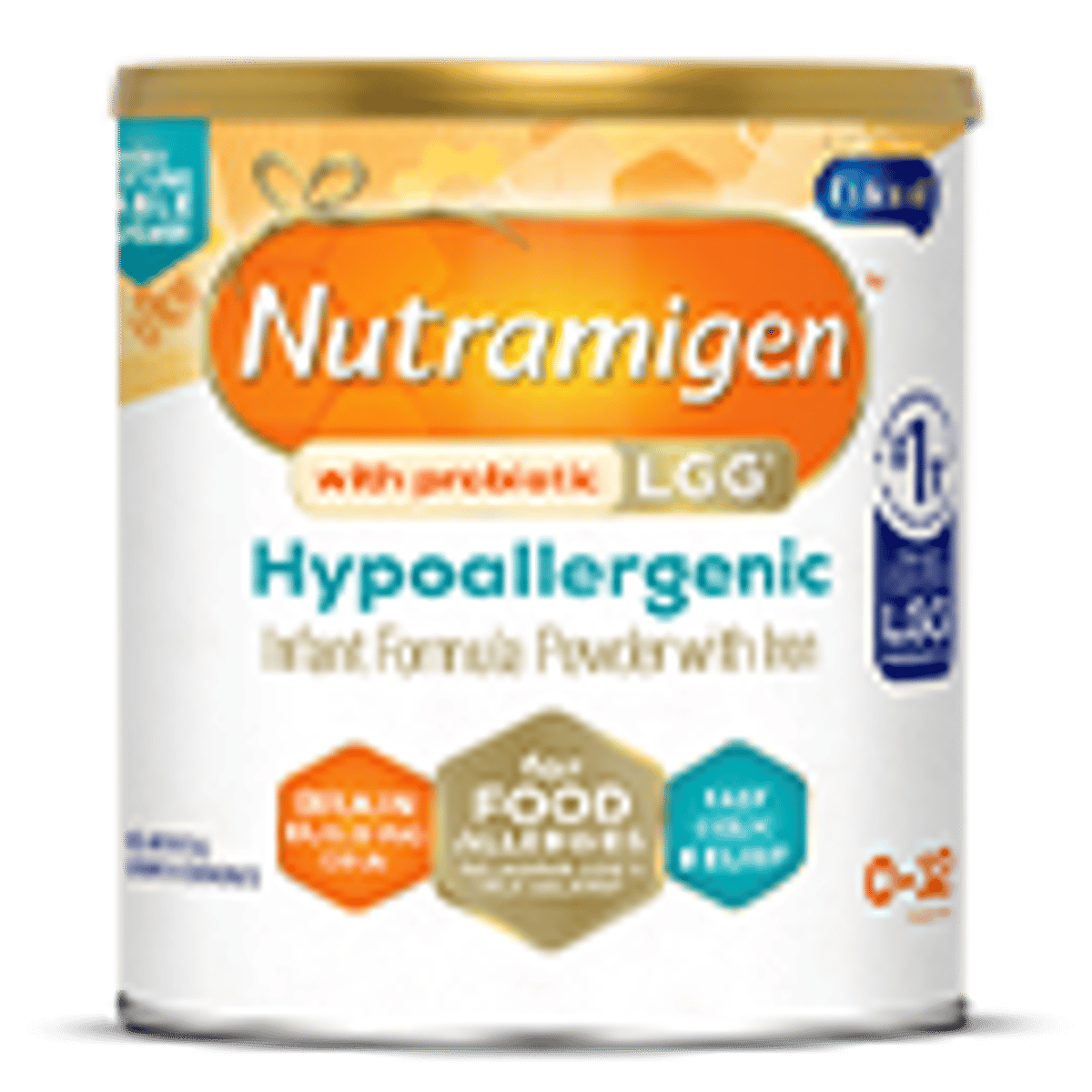
Nutramigen® with Probiotic LGG®, Powder
Item #:
897302
Description:
Powder
Unit Size:
12.6 oz can
Calories/Unit:
1740
Product Yield/Unit (fl oz):
87
Case:
6 cans per case
HCPCS Code:
B4161
Reimbursement Code (NDC format):
00087-1239-41
Nutramigen® with Probiotic LGG®, Powder
Item #:
897301
Description:
Powder
Unit Size:
19.8 oz can
Calories/Unit:
2780
Product Yield/Unit (fl oz):
139
Case:
4 cans per case
HCPCS Code:
B4161
Reimbursement Code (NDC format):
00087-1239-45
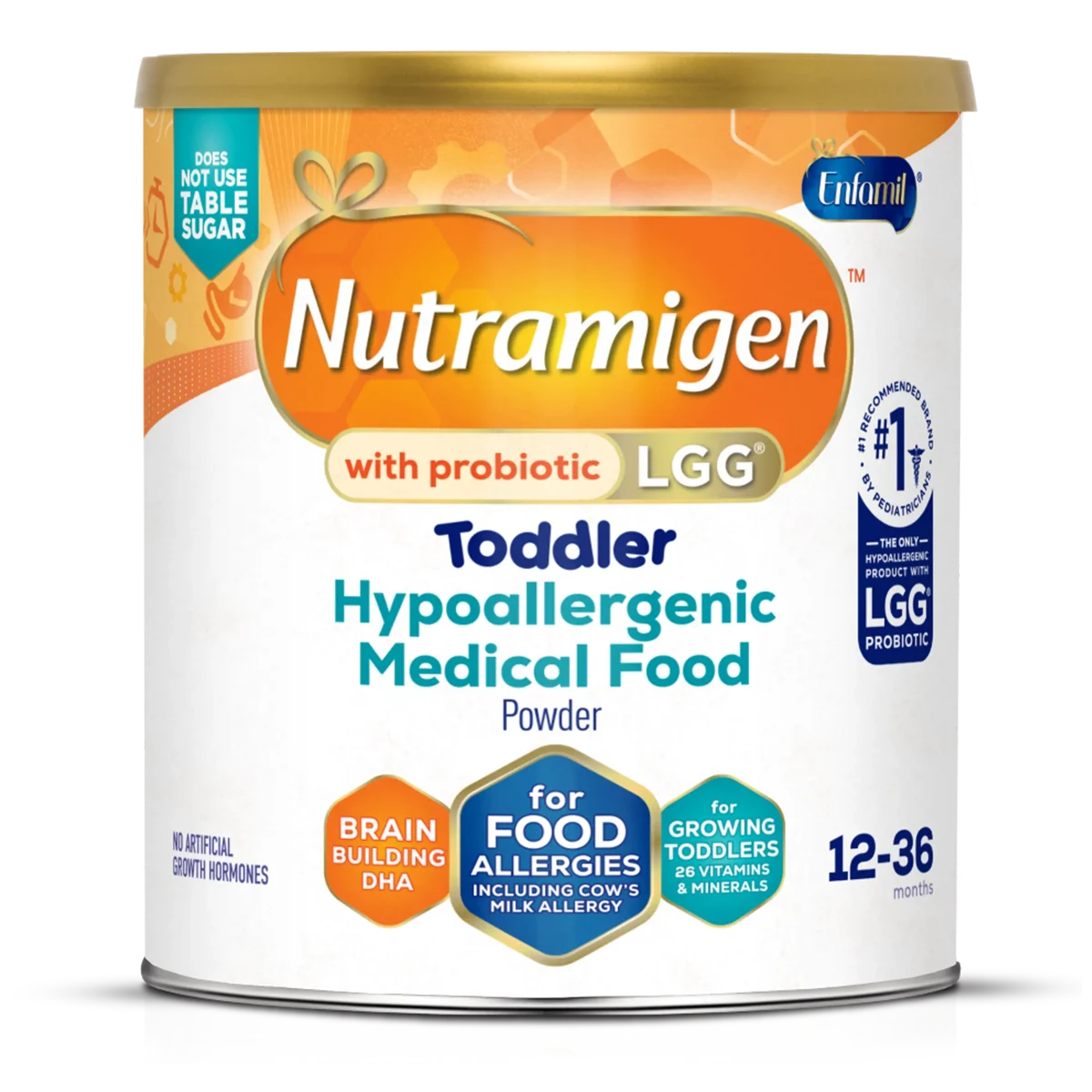
Nutramigen® with Probiotic LGG® Toddler
Hypoallergenic toddler medical food with extensively hydrolyzed protein and the probiotic LGG for toddlers (12-36m) with food allergies, including cow’s milk allergy.
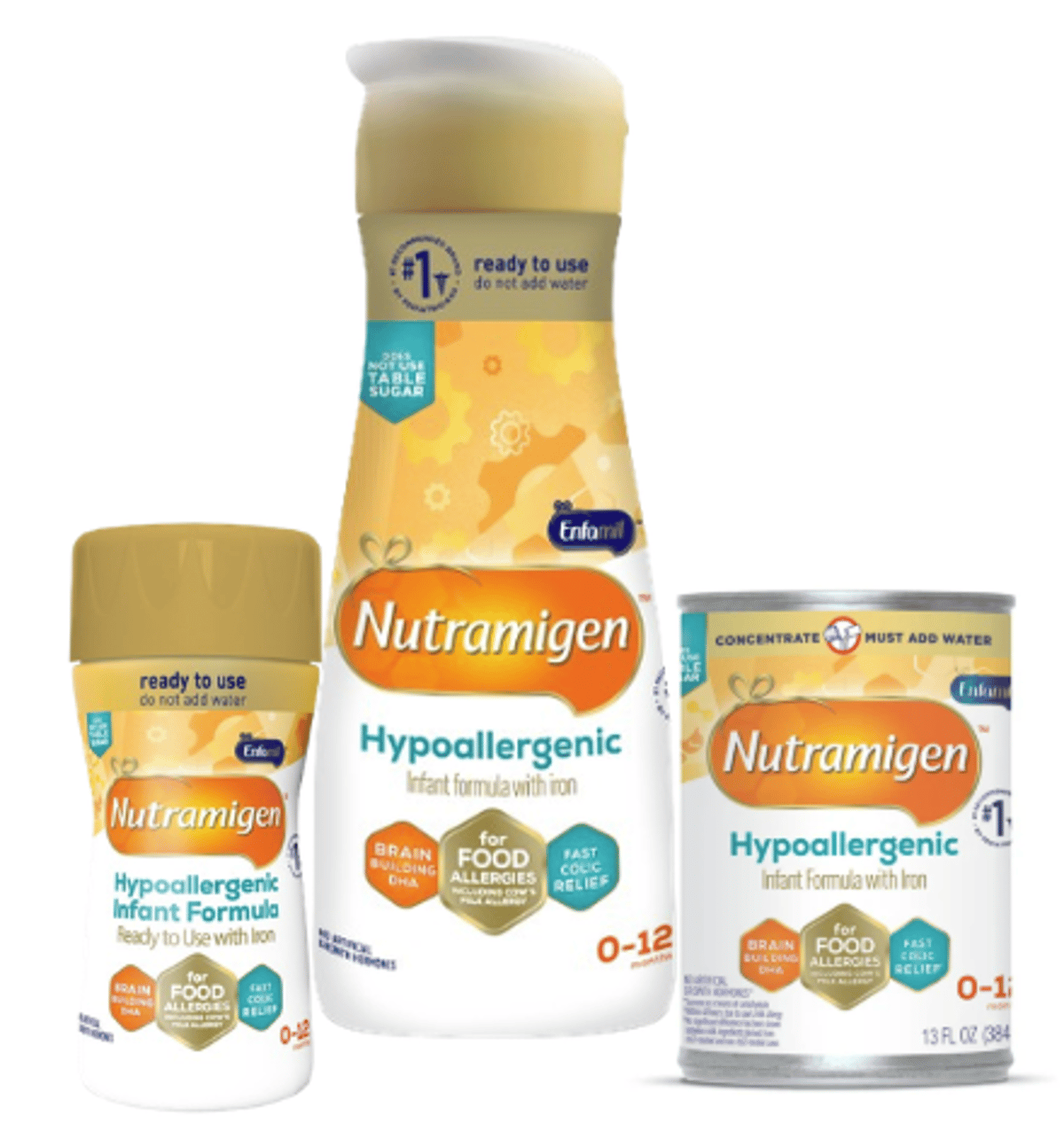
Nutramigen® Ready-to-Feed & Concentrate
Hypoallergenic formula with extensively hydrolyzed protein for infants with food allergies, including cow’s milk allergy
Helping Hands™ Sample Assistance
FREE one-time shipment of Nutramigen® product, per child, per household
Learn more about Helping Hands™ Sample Assistance here.
Helping Hands™ Reimbursement Support
Nutramigen® with Probiotic LGG® may be eligible for Insurance coverage through Medicaid, Medi-Cal, TRICARE, and most commercial health Insurance plans when prescribed. We know that navigating insurance coverage is not always easy. Through Helping Hands™ Reimbursement Support, our team of dedicated reimbursement experts can help guide parents through the process from start to finish. From benefits verification to prior authorization assistance, we handle all the details so patients can get quick access to Mead Johnson Nutrition products when prescribed.
While we can’t guarantee insurance reimbursement, our dedicated staff will help parents navigate the reimbursement process.
Learn more about Helping Hands™ Reimbursement Support here.
Nutramigen® with Probiotic LGG® is WIC* eligible in all 50 states:
Learn more about WIC* here.
*WIC is a registered trademark of the United States Department of Agriculture (USDA) for the Special Supplemental Nutrition Program for Women, Infants, and Children (WIC). No endorsement of any brand or product by the USDA is implied or intended.
LGG is a registered trademark of Chr. Hansen A/S.
Clinical Study
LGG improves recovery in infants with blood in the stool
Clinical Study
Gut microbiota role in accelerating milk tolerance acquisition in children with CMPA
Clinical Study
Formula influences rate of acquisition of tolerance for infants with cow’s milk allergy
Clinical Study
Clinical Study
Interaction of orally administered Lactobacillus rhamnosus GG with skin and gut microbiota and humoral immunity in infants with atopic dermatitis
Nutramigen® Letter of Medical Necessity
This letter establishes a medical need for Nutramigen® and might help parents get reimbursed by their insurance company for the product
A solution for severe cow’s milk allergy
Nutramigen® with Probiotic LGG® is WIC®*-eligible in all 50 states
Access your state’s medical documentation form to help your WIC® infants receive the formula they need.
Empower families to manage food allergies
Understand the key facts, considerations, and hypoallergenic solutions for cow’s milk allergy.

Contact Mead Johnson
Contact a Mead Johnson representative to request information.
*WIC is a registered trademark of the United States Department of Agriculture (USDA) for the Special Supplemental Nutrition Program for Women, Infants, and Children. No endorsement of any brand or product by the USDA is implied or intended.
LGG is a registered trademark of Chr. Hansen A/S.
- Wilsey MJ, Florio J, Beacker J, et al. Extensively hydrolyzed formula improves allergic symptoms in the short term in infants with suspected cow’s milk protein allergy. Nutrients. 2023;15(7):1677. doi:10.3390/nu15071677
- Lothe L, Lindberg T. Cow's milk whey protein elicits symptoms of infantile colic in colicky formula-fed infants: a double-blind crossover study. Pediatrics. 1989;83(2):262-266.
- Nermes M, Kantele JM, Atosuo TJ, Salminen S, Isolauri E. Interaction of orally administered Lactobacillus rhamnosus GG with skin and gut microbiota and humoral immunity in infants with atopic dermatitis. Clin Exp Allergy. 2011;41(3):370-377.
- Oranje AP. Practical issues on interpretation of scoring atopic dermatitis: SCORAD Index, objective SCORAD, patient-oriented SCORAD and Three-Item Severity score. Curr Probl Dermatol. 2011;41:149-155.
- Baldassarre ME, Laforgia N, Fanelli M, Laneve A, Grosso R, Lifschitz C. Lactobacillus GG improves recovery in infants with blood in the stools and presumptive allergic colitis compared with extensively hydrolyzed formula alone. J Pediatr. 2010;156(3):397-401.
- Nocerino R., Bedgoni G, Carucci L, et al. Long term impact of formula choice in children with cow milk protein allergy: 6-year follow-up of the Atopic March Cohort Study. Clin Nutr. 2025;48:134-143.
- Berni Canani R, Nocerino R, Terrin G, et al. Effect of Lactobacillus GG on tolerance acquisition in infants with cow's milk allergy: a randomized trial. J Allergy Clin Immunol. 2012;129(2):580-582.
- Capurso L, Thirty years of Lactobacillus rhamnosus GG: a review. J Clin Gastroenterol. 2019;53:S1-S41.