

—American Academy of Pediatrics
Lifelong deficits in brain function may occur without proper nutrition

Good nutrition in the first 1,000 days can have a lifelong impact
Focusing on adequate nutrition—that is, neither undernutrition nor overnutrition—during the first 1,000 days may shape the rest of a child’s life.
This stage has an impact on risk programming of a variety of health issues. There is also rapid neurologic development during this time. Supporting that growth is critically important. Providing key nutrients is absolutely essential at a time when a child’s brain may be at its most vulnerable period.
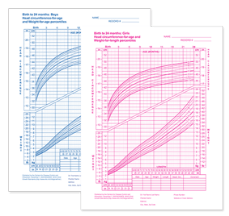
Track your patient’s growth with customizable growth charts
“The most active period of neurological development occurs in the first 1,000 days of life, the period beginning at conception and ending at the start of the third postnatal year”
.png?branch=production&width=1200&quality=85&auto=webp)
Important developments in the first 1,000 days
Proper nutrition from key macro- and micronutrients help support brain scaffolding throughout the first years. Early developments in structures and processes provide the basis for later development of more complex functions. Some of the notable developments during the first 1,000 days include:2

Neurotransmitter systems
that impact reward systems
Prefrontal cortex
functions like planning, attention and inhibitions
Hippocampus
functions such as memory and learning
Sensory systems
especially auditory and visual
Social development centers

These early stages provide a key development opportunity to have a lifetime impact on cognitive function.
What nutrients contribute to cognitive development?
The American Academy of Pediatrics policy statement challenges healthcare providers to go beyond simply recommending a “good diet.” Practitioners need to understand how optimized nutrient delivery impacts brain development in the first 1,000 days of life.1
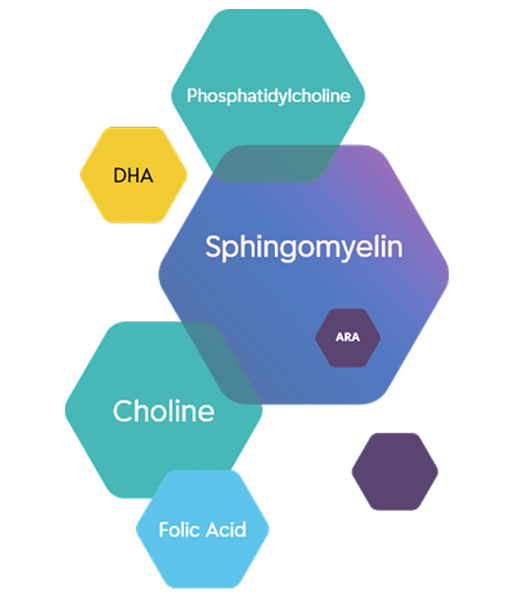
Key nutrients that support neurodevelopment include protein, zinc, iron, choline, folate and long chain polyunsaturated fatty acids. DHA and ARA help promote neuronal growth and white matter development. Higher cognitive scores have been associated with higher amounts of choline, folic acid, sphingomyelin and phosphatidylcholine2. While many of these are found naturally in human milk, differences in nutrient composition among infant formulas need to be considered.
The Science Behind Early Nutrition
Find out how the Mead Johnson Nutrition portfolio can help support nutritional needs
Nutrition is very important in the first 1,000 days
Proper nutrition from key macro- and micronutrients help support brain scaffolding throughout the first years. Early developments in structures and processes provide the basis for later development of more complex functions. Some of the notable developments during the first 1,000 days include:2

Iron is the world’s most common single nutrient deficiency3. In the U.S., iron deficiency affects about 2.4 million children3,4

If maternal status for vitamin A is poor, breastfed infants are likely to be deficient by 6 months of age6

Only 1/3 of infants consume enough formula to get 400 IU of vitamin D per day—most are aged 4-6 months5

Experts recommend pregnant and nursing women get at least 200 mg of daily DHA, but the average U.S. intake is only 54 mg/day7-10
Throughout the first 1,000 days, rapid growth must be fueled by proper nutrition. Nutritional deficiencies can develop, resulting in possible lifelong implications and developmental shortfalls.
Prenatal & Postnatal
Optimizing maternal health and fueling rapid prenatal and postnatal growth are important. During the first weeks of pregnancy, maternal nutrition status influences foundational growth of the fetus, including organogenesis and neural development.
For example, maternal conditions, such as anemia, hypertension with intrauterine growth restriction or gestational diabetes, can result in low fetal iron reserves in term and preterm infants3.
Carotenoids (lutein and zeaxanthin), choline, folate, iodine, iron, omega-3 fatty acids and vitamin D are all important in fetal development. Nutrient accretion in utero, especially during the last trimester, attempts to buffer the transition to postnatal life. Nutrients such as these must be supported through proper postnatal diet to help optimal growth and development.
.svg?branch=production&width=1200&quality=85&auto=webp)
During Breastfeeding
Exclusive breastfeeding for six months, or longer if desired, is recommended by experts. However, regardless of their nutritional status, many mothers are unable to meet their babies’ needs for vitamin D, and supplementation is recommended.
Lactating mothers have increased nutritional needs for zinc, for example. Yet, postnatal maternal supplementation may not ensure an adequate amount for the infant3.
.svg?branch=production&width=1200&quality=85&auto=webp)
Establishing Eating Habits
The introduction of complementary foods usually occurs around 4 to 6 months of age, right as infants begin to lose nutrient stores accumulated in utero. In term infants, for example, iron stores are usually depleted by 6 months of age. Breast milk provides adequate zinc for infants 0-6 months of age, but not for those 7-12 months of age. Growth and development continue at a rapid pace, and essential nutrients are still required for skeletal mass accretion and brain and eye development.
As table food is offered, children may assert their budding free will, becoming “picky eaters.” In fact, in one study, 20-30% of parents with children under 1 year of age considered their child to be a picky eater12. Providing the appropriate nutrients to support rapid growth and development continues to be important during this time.
.svg?branch=production&width=1200&quality=85&auto=webp)
Breastfeeding with Supplementation
Breastfeeding is the gold standard for infant nutrition, as it provides nutrients, growth factors and other cells that formula lacks. However, iron, vitamin D and omega-3s may not be available in sufficient amounts, particularly if the mother is deficient.
Fo example, if you have patients who are breastfeeding, partially breastfeeding, or consuming less than 27 fluid ounces of formula in a 24-hour period, then they will likely need vitamin D supplementation to meet the AAP recommendation of 400 IU per day11.
.svg?branch=production&width=1200&quality=85&auto=webp)
Provide Parents With Vitamins For Their Individual Needs

A Baby's Immune System Isn't Fully Developed at Birth
Learn the stages of infant immune health
Neonatal and newborn immune system development
A baby’s cells start dividing and specializing weeks into pregnancy; some of these cells will go on to form the immune system13.Newborns enter the world with immature and untested immune systems, which initially leaves them at an increased risk of certain bacterial infections13.
There are two types of immune responses and both play crucial roles in the body’s ability to ward off infections
Innate Immunity
The body’s immediate and non-specific reaction to threats of infection
- Inherited from mom and present at birth
- As children grow and encounter more foreign pathogens, their adaptive immune system matures and acquires memory15
Adaptive Immunity
- The body’s more specific and prolonged immune response
- Develops over time as we are exposed to the world around us13,14
As children grow and encounter more foreign pathogens, their adaptive immune system matures and acquires memory15.
Watch Dr. Jonathan Malka Discuss Function and Development of the Immune System During Childhood

Download a PDF Report of Dr. Malka’s Webinar
The immune system through infancy and beyond
By the time an infant reaches 2-3 months in age, his or her immune system is often mature enough to initiate an appropriate physiological response to combat an infection13.
But the maturation of an infant’s immune system is an ongoing process, and parents can help support development during this crucial period by promoting proper nutrition.

How Do the Infants in Your Practice Obtain Optimal Nutrition?
During the routine wellness visits, it’s important to discuss the many ways parents can bolster their baby’s immunity through proper nutrition.Maternal breast milk and the microbiome
In addition to providing nutritional value to newborns and infants, breast milk contains many components that influence microbiome maturation and immune devealopment16.
Immunoglobulins (IgG, IgM, and isoforms of SiGA), non-digestible human milk oligosaccahrides (HMOs), and anti-inflammatory cytokines are just a few elements of breast milk that influence microbiome and immune development17.
Prebiotics and probiotics
Breast milk is also a major source of prebiotics and probiotics, two of the most significant factors in shaping microbiome development18.
Different prebiotic oligosaccharides, including polydextrose (PDX) and galacto-oligosaccharides (GOS), are also added to some infant formulas to help support immune health19.
Depending on the strain, certain probiotics may also help support infant immune health20. Some probiotic strains most commonly used in infant nutrition include:
Lactobacillus rhamnosus GG (branded LGG®)
The most widely studied probiotic with a well-documented safety and efficacy profile, LGG has been used in food and dietary supplements for close to 30 years
Lactobacillus reuteri (DSM 17938)
This strain was isolated from the breast milk of a woman living in the Andes
Lactobacillus reuteri (RC-14®)
Originating from healthy vaginal sources, this strain has been used safely since 2004
LactobBifidobacterium lactis (BB-12®)
Also well-studied, BB-12 may have beneficial effects on gastrointestinal and immune function
Other nutrients from various sources
There are numerous key nutrients that have been shown to support infant immunity, including:
DHA
- Omega-3 fatty acids, including DHA, help macrophages, a major component of the innate immune system, patrol for invading pathogens and initiate an appropriate response21
- In healthy infants, incorporating formula containing DHA and ARA was associated with lower incidence of common respiratory symptoms and illnesses, as well as diarrhea22
Vitamin D
- Helps protect against infection-causing pathogens by stimulating immune cell proliferation and cytokine production25
- The active form of vitamin D, vitamin D3, regulates cathelicidin and defensin, two antimicrobial proteins that can directly kill pathogens and bacteria25

Milk fat globule membrane (MFGM)
- A naturally occurring membrane found in breast milk that may aid in the formation and maturation of a baby’s gut microbiota23

Lactoferrin
- A multifunctional protein found in breast milk that contributes to innate immune system activation and helps direct adaptive immune system responses24

Iron
- Instrumental in forming highly toxic hydroxyl radicals that help neutrophils kill bacteria25
Whether breastfeeding or formula-feeding, or through a combination of both, proper nutrition can help support infant immune development and may lower a baby’s risk of infection
What is DHA?
DHA and Early Brain Development
Researchers have previously shown that long-chain polyunsaturated fatty acids (LCPUFAs) play an important role in brain development1
Brain grows most rapidly from third trimester through 2 years of age3
Brain growth is 85% complete by age 33
.png?branch=production&width=1200&quality=85&auto=webp)
DHA accretion in the brain increases rapidly during this time of rapid brain growth.
Infants obtain DHA in utero primarily through preferential transfer of DHA through the placenta,5 with levels dependent on maternal supply6
- Following birth, infants receive DHA either through breast milk or formula1,7
- Worldwide levels of DHA in breast milk vary, with the average at about 0.32%8
- Experts recommend DHA in early life to help support brain and eye development16
- Although DHA can be synthesized by the body from α-linolenic acid, the amount that an infant can synthesize may be limited
* Average level of DHA worldwide in breast milk is 0.32% + 0.22% (mean + standard deviation of total fatty acids) based on an analysis of 65 studies of 2474 women.8
DHA helps support brain and eye development
Retinal function can be considered a “window to the brain.”
- In the developing embryo, the eye develops in close association with the brain; visual development requires a tight integration of retinal, neural pathway, and cortical function
- Visual development is, therefore, an extension of brain development, and visual acuity in infancy is one reflection of CNS development2
- Since DHA concentrations in the retina and neural tissue are among the highest in the body, it is not surprising that DHA plays an important role in brain development9
DHA in early life helps support cognitive development
A study published in 2013 involved 81 formula-fed children who were enrolled from birth and through 6 years.10
- Subjects had been randomized from birth through 12 months to receive one of 4 formulas:
- Control formula (no DHA/ARA)
- .32% DHA/.64% ARA
- .64% DHA/.64% ARA
- .96% DHA/.64% ARA
- Every 6-12 months, children were given age-appropriate cognition tests
Results revealed that:
- Infants fed formula that had 0.32% DHA had improved measures of executive function at 4 and 5 years and improved measures of verbal comprehension at 5 years compared to those who received the control formula.10
- These results demonstrate that DHA helps support cognitive development
DHA is important in preterm infants
For the preterm infant, the DHA accretion that occurs during the third trimester—when brain mass more than doubles—is abruptly interrupted.11-13
- Low blood levels of DHA have been associated with decreased respiratory health in preterm infants14
- These infants, may benefit from DHA to support brain and retinal development, and to help support respiratory health9
“Nutrition during early life is now recognized not only as a key determinant for immediate neonatal survival, growth, and mental development during infancy, but also as a major conditioning factor for long-term health.” – 2014 Global Expert Recommendations15
2014 Global Expert Recommendations for DHA: 16.4 mg – 55 mg per 100 kcal15
LCPUFA Supplementation and Configuration
Listen to Dr. John Colombo discuss the DIAMOND Study, a trial of LCPUFA postnatal dietary supplementation. This video will review the results of the study and examine cognitive development, testing, and how to properly interpret cognitive tests from infancy to early childhood.
John Colombo, PhD Professor of Psychology Director, Life Span Research Institute University of Kansas Lawrence, KS
ARA = arachidonic acid; DHA = docosahexaenoic acid; LCPUFA = long-chain polyunsaturated fatty acid

Downloadable Resources
Customizable growth charts
Study: early nutrition influences devleopmental myelination and cognition in infants and young children
* As measured by Bayley-III cognitive score at 12 months.
† Average amount of DHA in breast milk worldwide is 0.32% ± 0.22% (mean ± standard deviation of total fatty acids) based on an analysis of 65 studies of 2474 women9.